March 19, 2026
Table Of Content
1. Why the UAE Is a Strategic Hub for Global Infrastructure Steel
2. How UAE-Based Steel Companies Support International Projects
3. What Makes UAE Steel Companies Competitive in Global Markets
4. The UAE’s Growing Role in Global Infrastructure Delivery
5. Frequently Asked Questions
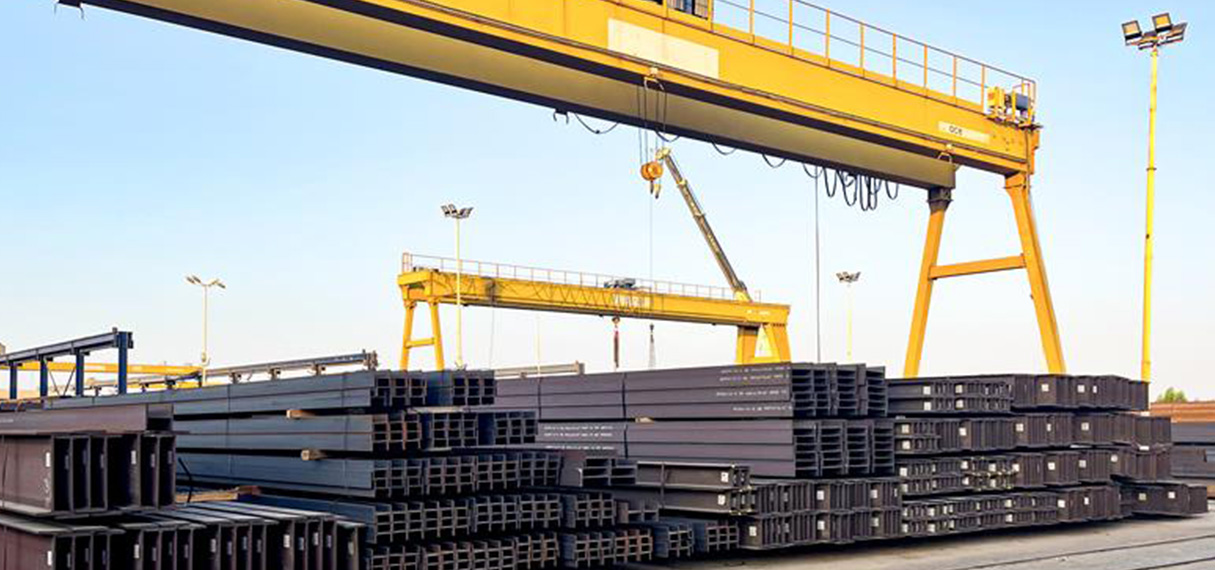
Global infrastructure development depends on consistent, large-scale steel supply capable of supporting transport networks, power systems, industrial facilities, and urban expansion. Behind many of these projects is a network of export-oriented steel producers operating beyond their domestic markets.
Over the past two decades, the United Arab Emirates has developed into a strategic steel hub serving projects across Asia, Europe, and Africa. UAE-based steel companies now play an increasingly important role in enabling international infrastructure programmes through supply strength, cross-border coordination, and reliable delivery. Their contribution extends beyond domestic construction activity, reinforcing the UAE’s role within international infrastructure supply networks.
Why the UAE Is a Strategic Hub for Global Infrastructure Steel
The UAE functions as a strategic steel hub due to its integrated industrial ecosystem and highly efficient trade architecture. Steel companies operate within interconnected manufacturing zones supported by strong logistics networks and structured export frameworks designed for international supply.
Key structural factors include:
- Integrated industrial zones: Co-located manufacturing clusters that streamline production, storage, and export processes.
- Advanced port and logistics systems: High-capacity terminals and specialised freight handling that support large-volume steel exports.
- Export-oriented regulatory frameworks: Customs efficiency and trade policies structured to facilitate international transactions.
- Stable commercial environment: Predictable regulatory and financial systems that provide confidence for long-term infrastructure procurement.
These foundations enable UAE-based steel companies to operate as consistent contributors to international infrastructure supply chains rather than serving only regional construction markets.
How UAE-Based Steel Companies Support International Projects
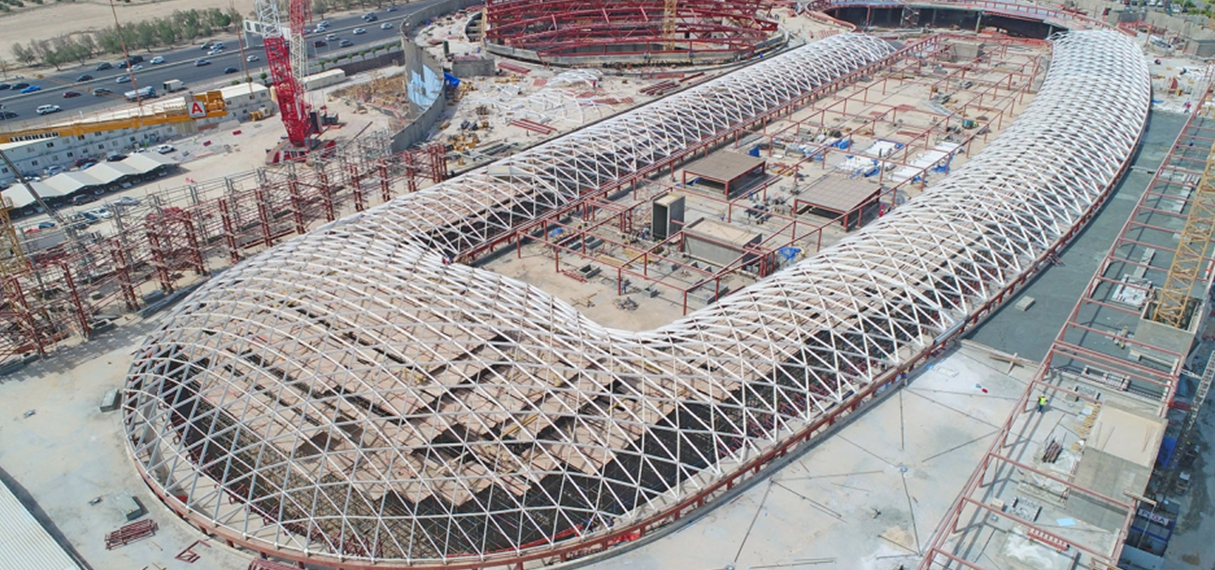
UAE-based steel companies play an active role in enabling infrastructure programmes beyond their domestic market. By supplying steel to contractors and developers operating across multiple regions, they contribute to transport networks, energy facilities, industrial assets, and urban expansion initiatives worldwide.
Their support spans multiple infrastructure categories. This includes steel supply for rail systems, bridges, ports, and airport expansions that require sustained high-volume material flow. It also extends to power generation facilities, transmission networks, and renewable energy installations, as well as industrial processing plants, logistics hubs, and large-scale manufacturing complexes. In urban environments, steel packages contribute to high-rise buildings, mixed-use developments, and essential civic infrastructure.
In large infrastructure programmes, supply continuity and coordination are as important as volume. UAE-based steel companies align delivery schedules with project milestones, support cross-border documentation requirements, and maintain consistency across long-duration developments, helping reduce supply risk and improve execution predictability.
Manufacturing & Supply Capabilities for Global Demand
Global infrastructure programmes require steel supply that can scale quickly while maintaining consistency across extended project timelines. UAE-based steel companies are structured to support this demand through production environments designed for high throughput and sustained international dispatch.
Core strengths include:
- High-volume production capacity: Capability to meet bulk and phased steel requirements for transport networks, power facilities, industrial plants, and large urban developments.
- Broad product range supporting multiple sectors: Structural and industrial steel suited to diverse infrastructure categories, enabling supply across energy, mobility, and industrial programmes.
- Long-duration supply continuity: Production planning structured to sustain output over multi-year infrastructure cycles without disruption.
- Export-readiness at scale: Systems built to support international dispatch volumes while maintaining documentation consistency and shipment coordination.
This combination of scale and operational discipline enables UAE-based suppliers to support complex infrastructure initiatives across regions simultaneously.
Project Coordination, Logistics, and Delivery Support
Supplying steel to international infrastructure projects involves more than production capacity. It requires structured coordination across jurisdictions, shipping routes, regulatory frameworks, and project timelines. UAE-based steel companies contribute value by aligning operational processes with the demands of global infrastructure execution.
Key areas of support include:
- International shipping coordination: Management of export logistics, freight planning, and port documentation to facilitate cross-border steel movement.
- Alignment with project schedules: Phased delivery planning structured around construction milestones and EPC programme requirements.
- Documentation and compliance management: Support for customs processes, material certification records, and regulatory documentation required for international procurement.
- Multi-region delivery capability: Experience managing shipments to multiple countries within a single infrastructure programme.
Through disciplined coordination and logistical planning, UAE-based suppliers help reduce supply risk and improve timeline predictability for complex infrastructure developments.
What Makes UAE Steel Companies Competitive in Global Markets
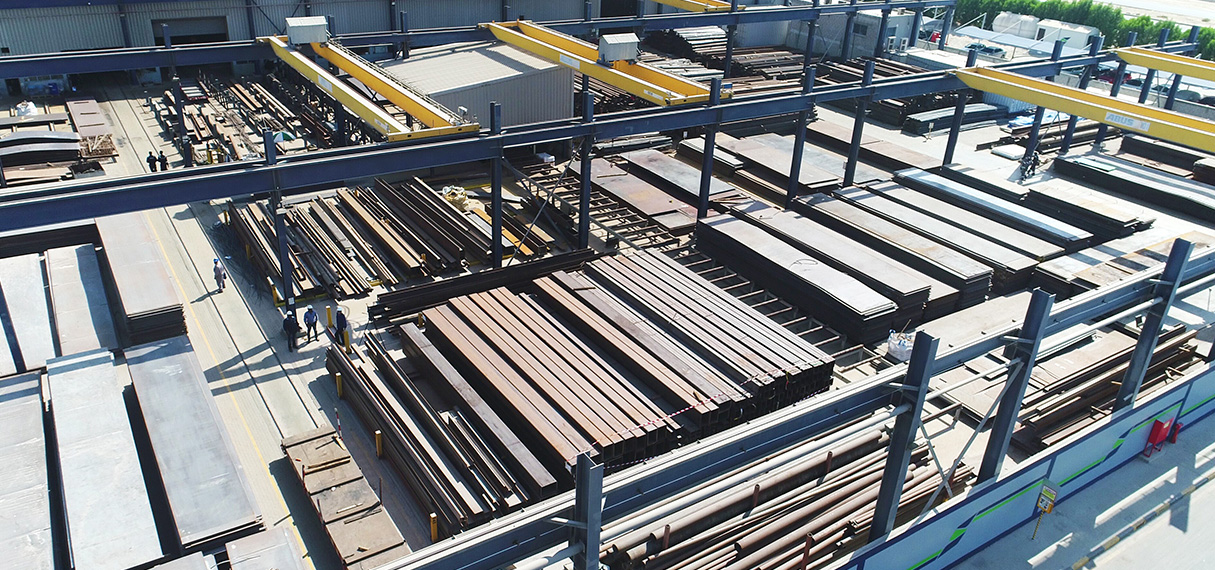
UAE-based steel companies compete globally not only on supply capacity, but on their ability to operate across diverse regulatory, commercial, and project environments. Infrastructure programmes often span multiple countries and require suppliers capable of adapting to varying standards, procurement structures, and contractual models.
Their competitiveness is shaped by several factors:
- Experience supporting international infrastructure programmes
Engagement with transport, energy, and industrial projects across multiple regions builds familiarity with cross-border requirements. - Ability to meet diverse regional standards
Flexibility to align with varying technical specifications and documentation requirements across Asia, Europe, and Africa. - Commercial agility in global procurement environments
Structured export processes and pricing models suited to international EPC and developer frameworks. - Established relationships with global contractors and developers
Long-term engagement supporting repeat infrastructure programmes and phased developments. - Scale combined with operational coordination
Capacity to supply high volumes while maintaining delivery consistency and documentation discipline.
In an increasingly interconnected infrastructure landscape, global contractors seek suppliers who combine production scale with cross-border coordination expertise. UAE-based steel companies have positioned themselves as dependable partners capable of supporting this complexity across regions.
The UAE’s Growing Role in Global Infrastructure Delivery
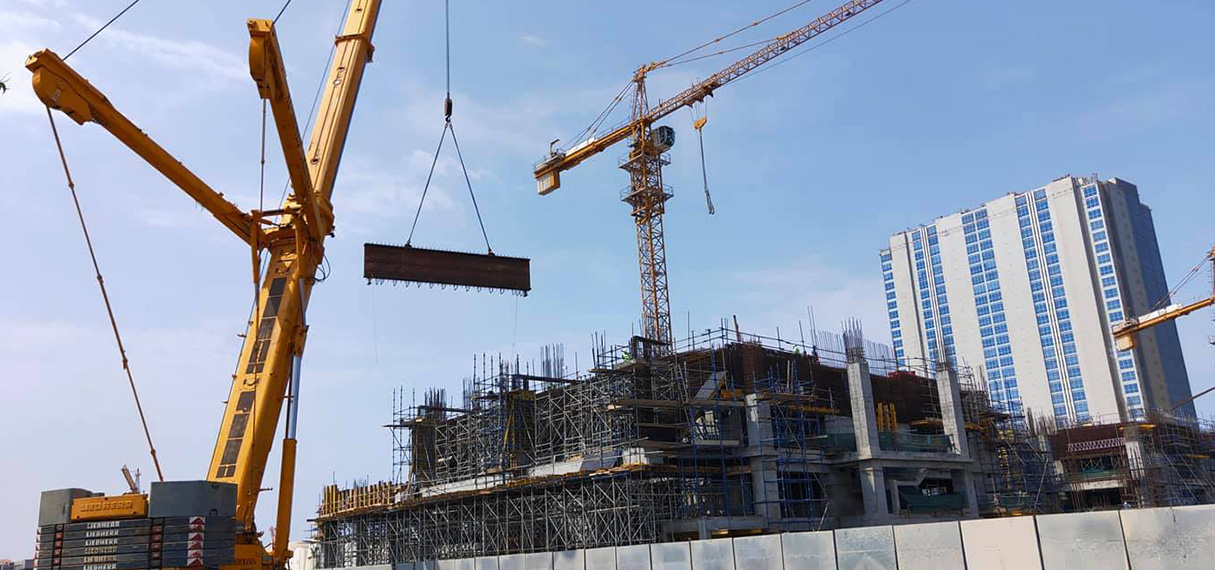
Global infrastructure projects depend on supply ecosystems that operate beyond national borders. UAE-based steel companies have become established participants within this system, supporting transport, energy, industrial, and urban developments across multiple regions. Their value lies not only in material supply, but in their ability to operate reliably within complex international procurement environments.
As infrastructure demand accelerates across emerging and developed markets alike, the need for scalable and internationally coordinated steel supply will continue to grow. UAE-based suppliers are positioned to meet this demand through integrated export frameworks, operational discipline, and established international relationships.
Understanding this role highlights how global infrastructure programmes are supported behind the scenes by industrial hubs that connect regions, industries, and long-term development strategies.
Frequently Asked Questions
1. Why do global infrastructure projects source steel from the UAE?

UAE-based steel companies offer scalable production, structured export systems, and reliable cross-border coordination suited to large, multi-region infrastructure programmes.
2. Which types of infrastructure projects use steel supplied from the UAE?
3. Do UAE steel companies support projects outside the Middle East?
4. How do UAE steel companies manage international logistics?
5. What regions commonly import steel from the UAE?
More Blogs