March 16, 2026
Table Of Content
1. Steel Fabrication and Construction Quality: An Overview
2. What Is Steel Fabrication in Construction
3. Why Steel Fabrication Is Central to Construction Quality
4. How Steel Fabrication Quality Is Controlled
5. Key Quality Checks During Steel Fabrication
6. Common Fabrication Issues That Affect Construction Quality
7. What Happens When Steel Fabrication Quality Is Poor
8. Steel Fabrication as a Determinant of Construction Quality
9. Frequently Asked Questions
Steel Fabrication and Construction Quality: An Overview
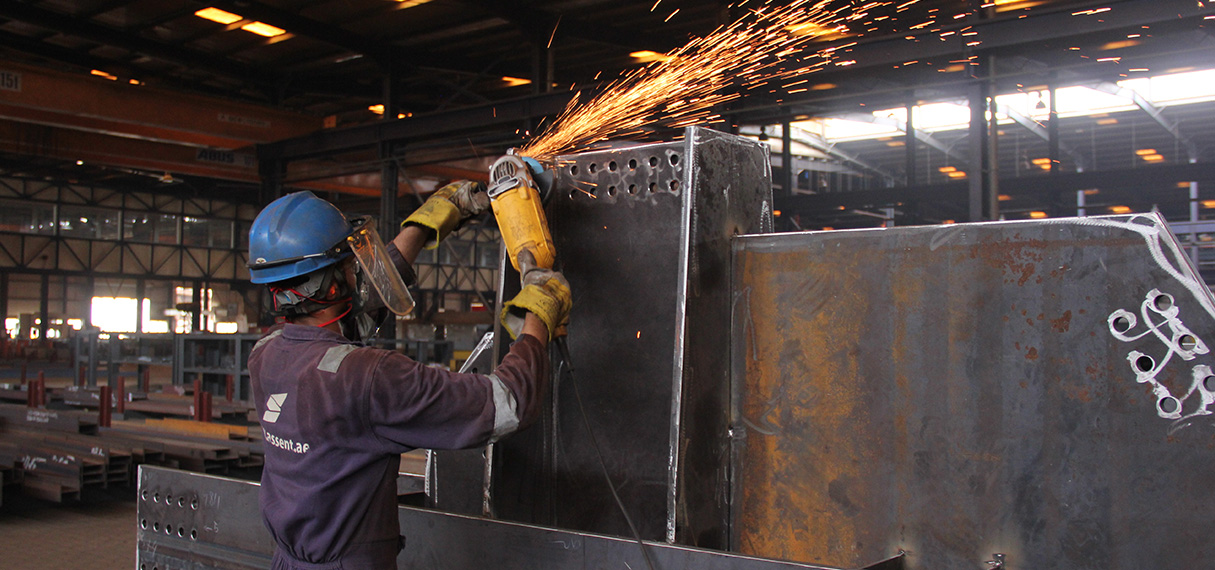
Construction quality is influenced by many factors, but the role of steel fabrication is often less visible than design or site execution. Fabrication sits between these stages, shaping how structural steel moves from drawings into physical components.
Understanding the role of fabrication provides context for why construction quality can vary between projects with similar designs. The level of control applied during fabrication affects how effectively structures are assembled and perform once erected.
What Is Steel Fabrication in Construction
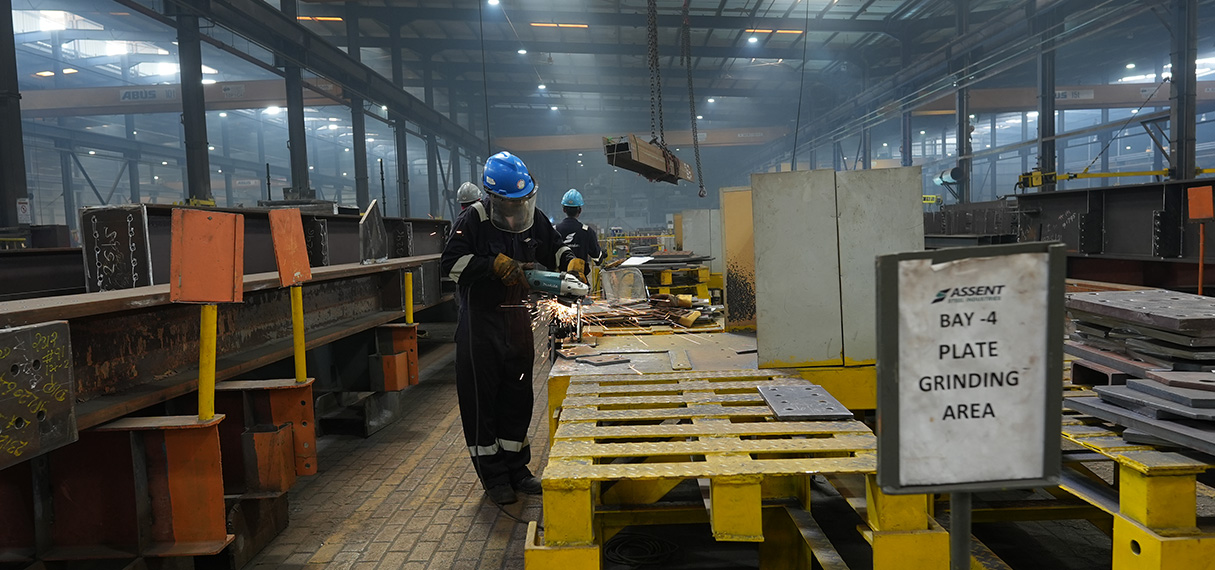
Steel fabrication in construction is the process of transforming raw steel materials into finished structural components in accordance with engineering drawings and project specifications. It ensures that steel elements are produced with the required dimensions, connections, and tolerances before they are delivered to the construction site.
Raw steel materials typically include
- Steel plates used for base plates, gussets, and connection elements
- Beams and columns supplied as standard rolled sections
- Angles and channels used for secondary members and supports
- Hollow structural sections used for frames and bracing systems
These materials require further processing before they can be installed in a structure.
Fabrication converts raw steel into structural elements such as
- Columns and beams that carry vertical and horizontal loads
- Trusses and frames used to span large areas and support roofs
- Bracing systems that provide lateral stability to the structure
- Connection plates and assemblies that join individual members together
Each fabricated component is produced to fit accurately with adjoining member during erection, enabling the structure to be assembled in line with its design requirements.
Why Steel Fabrication Is Central to Construction Quality
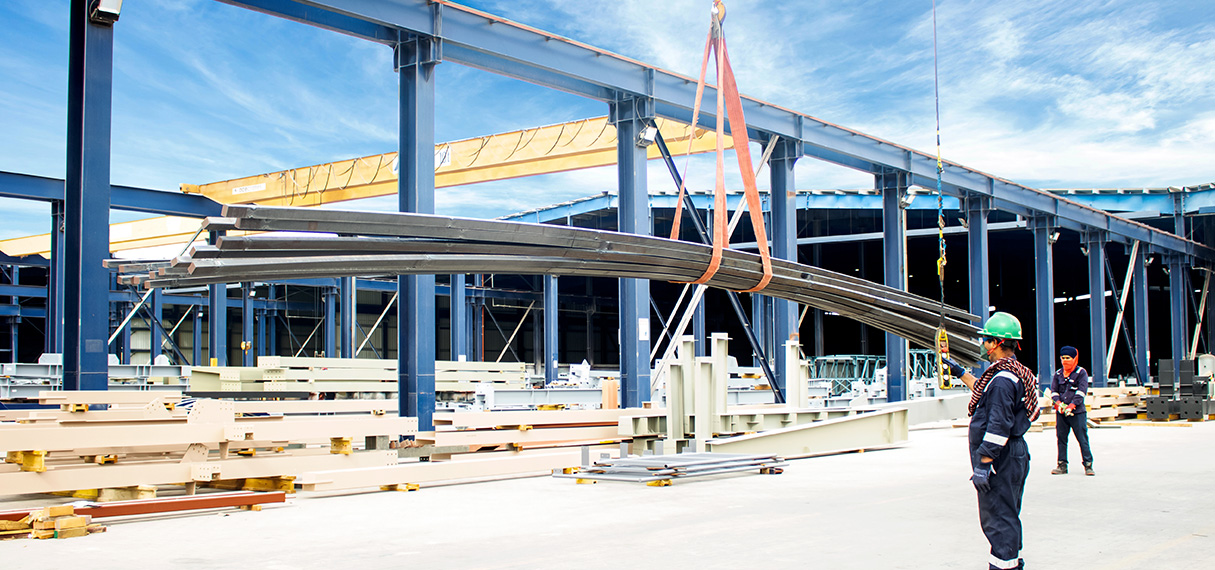
Steel fabrication is central to construction quality because it is the stage where engineering design is converted into physical components that must fit, align, and perform together on site. The accuracy achieved during fabrication determines whether structural members can be assembled as intended without adjustment or rework.
Fabrication acts as the link between design and site execution. Engineering drawings define dimensions, connection details, and tolerances, but fabrication is responsible for delivering components that meet those requirements. Even small deviations in dimensions or connection geometry can affect how loads are transferred through the structure and how members interact during erection.
Construction quality is strongly influenced by fabrication factors such as dimensional accuracy, tolerance control, and welding quality. When these aspects are well controlled, structures assemble efficiently and perform as designed. When they are not, issues such as misalignment, uneven load distribution, and erection difficulties can occur.
Fabrication errors are often amplified during later stages of construction. Misfits identified during erection can lead to on-site modifications, delays, and coordination challenges. Because fabricated components form the structural framework of a project, the quality achieved during fabrication has a lasting impact on structural performance, safety, and long-term behaviour.
How Steel Fabrication Quality Is Controlled
Steel fabrication quality is controlled through defined drawings, controlled workshop processes, and systematic inspections carried out before components are delivered to site. These controls ensure fabricated elements meet design requirements and can be assembled as intended.
Quality control in steel fabrication is managed through
- Approved drawings and specifications that define dimensions, tolerances, material grades, and connection details
- Planned fabrication procedures that govern cutting, welding, assembly, and finishing activities
- Controlled workshop conditions that reduce variability and support consistent workmanship
Fabrication quality is verified using
- Dimensional checks to confirm compliance with specified sizes and tolerances
- Welding inspections to ensure joints meet structural and code requirements
- Material verification to confirm correct steel grades and traceability
- Inspection records and approvals that document compliance before dispatch
By applying these controls at each stage of fabrication, deviations can be identified and corrected early, reducing the risk of on-site issues during erection and later construction stages.
Key Quality Checks During Steel Fabrication
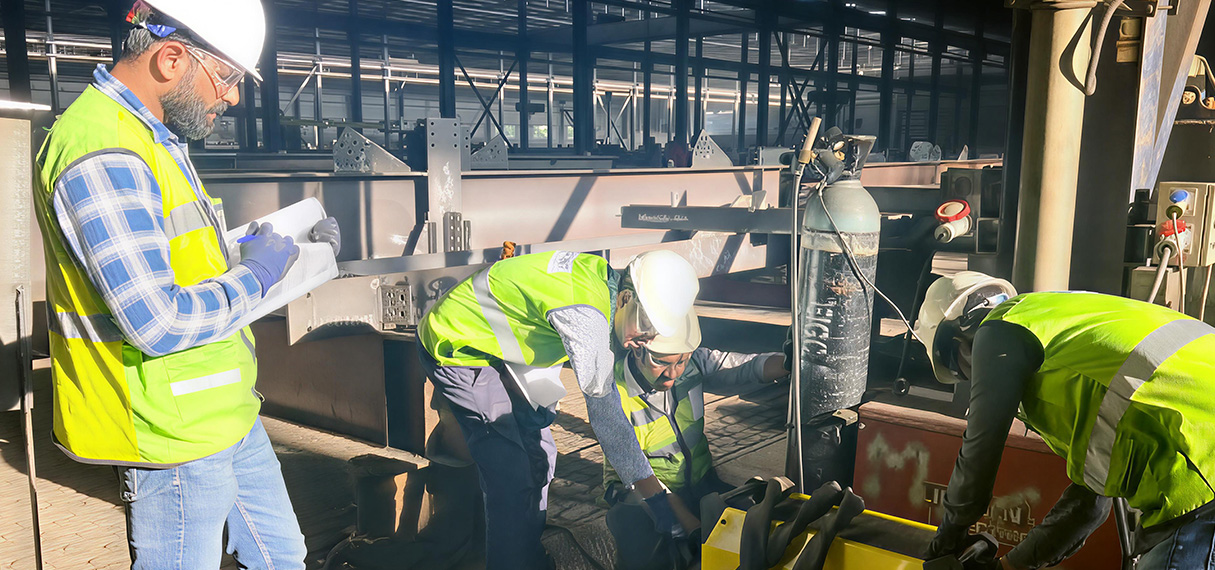
Quality checks during steel fabrication are carried out at defined stages to confirm that fabricated components meet approved drawings, tolerance, and specification requirements before delivery to site. These checks help detect issues early, when corrective actions is still possible within the fabrication environment.
Key quality checks typically include:
Dimensional and tolerance checks
Verification of member lengths, profiles, hole locations, and connection geometry against approved drawings. Accurate dimensions are essential to ensure proper fit up, alignment, and load transfer during erection.
Welding inspections
Examination of weld size, profile, and continuity to confirm compliance with approved welding procedures. Depending on project requirements, this may include visual inspection and non-destructive testing to assess weld integrity.
Material verification and traceability
Confirmation that steel grades, welding consumables, and coatings match project specifications. Traceability records link fabricated components to certified materials and approved processes.
Surface preparation and coating checks
Inspection of blasting, surface cleanliness, coating thickness, and curing to ensure durability and corrosion protection requirements are met.
Documentation and approval reviews
Completion and verification of inspection reports, test records, and quality approvals prior to dispatch. These records confirm compliance and support confidence during erection and subsequent construction stages.
Common Fabrication Issues That Affect Construction Quality
Fabrication issues can directly affect construction quality because steel components are expected to fit and perform as designed with minimal adjustment on site. When problems occur during fabrication, their impact is often felt during erection and later construction stages.
Common fabrication issues include
Misalignment and fit up problems
Dimensional inaccuracies can result in members not aligning correctly during erection. This may require on site modifications, shimming, or forced fit up, all of which affect structural accuracy and efficiency.
Tolerance exceedances
Deviations beyond specified tolerances can accumulate across multiple members, leading to framing inconsistencies, uneven load paths, and difficulties in connecting adjacent elements.
Welding defects
Issues such as incomplete fusion, excessive distortion, or inconsistent weld profiles can reduce structural capacity and require additional inspection or repair before acceptance.
Rework and fabrication corrections
Errors identified late in fabrication or during erection often lead to rework. This increases fabrication hours, disrupts schedules, and can introduce further quality risks.
Surface preparation and coating issues
Inadequate surface preparation or incorrect coating application can compromise corrosion protection, affecting long term durability and maintenance requirements.
These issues not only affect construction quality but can also lead to delays, increased costs, and coordination challenges. Addressing fabrication risks early through proper controls and inspections helps reduce their impact on overall project performance.
What Happens When Steel Fabrication Quality Is Poor
Poor steel fabrication quality has direct and often compounding effects on construction projects. Issues introduced during fabrication are difficult to fully correct later and can influence safety, cost, and long-term structural performance.
Common consequences of poor fabrication quality include
Erection difficulties on site
Misaligned members, incorrect hole locations, or inconsistent dimensions make erection slower and more complex. Crews may need to force connections, add shims, or carry out unplanned site modifications.
Increased project costs
Rework, additional inspections, corrective welding, and site adjustments increase labour and equipment costs. These costs are often higher on site than during controlled fabrication.
Schedule delays
Fabrication issues discovered during erection can interrupt sequencing and delay follow on trades. Delays can escalate when multiple components are affected.
Structural performance risks
Poor welding quality, incorrect member geometry, or tolerance exceedances can affect load transfer and structural behaviour. Even when corrected, performance may not fully match the original design intent.
Reduced service life and durability
Inadequate surface preparation or coating application can lead to premature corrosion, increasing maintenance needs and reducing the structure’s intended service life.
Because steel structures form the primary load bearing system, fabrication quality plays a critical role in overall construction outcomes. Preventing fabrication issues is more effective than attempting to correct them after components reach site.
Steel Fabrication as a Determinant of Construction Quality
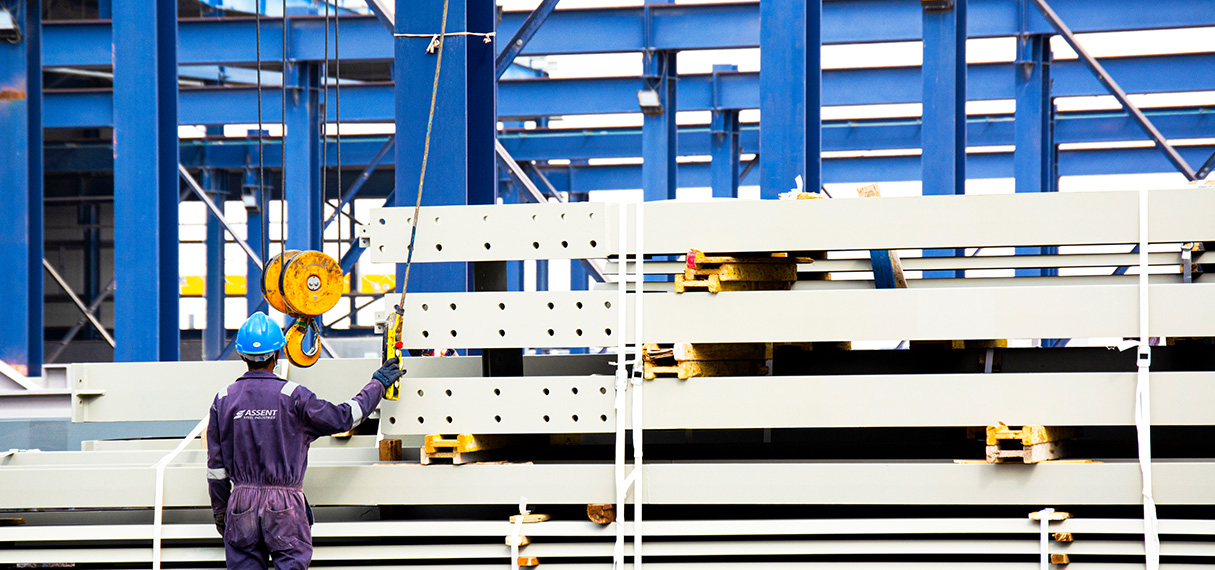
In practice, the overall quality of a steel structure is largely determined during fabrication rather than on site. The controls applied during fabrication directly influence fit, alignment, structural behaviour, and the efficiency of erection, making fabrication a defining stage in the construction process.
Treating steel fabrication as a critical quality activity helps reduce risk across safety, cost, programme, and long-term performance. Consistent fabrication practices and effective verification provide a more reliable foundation for construction outcomes and durable structures.
Frequently Asked Questions
1. Why is steel fabrication important for construction quality?

Steel fabrication determines dimensional accuracy, connection fit, and welding quality, all of which directly affect structural safety, erection efficiency, and long-term performance.
2. How does steel fabrication affect structural safety?
3. Is steel fabrication different from steel construction?
4. What quality checks are done during steel fabrication?
5. Can steel fabrication quality affect project timelines?
More Blogs